Categories and options available for family-based petitions
Immediate Relative Immigrant Visas
One of the most straightforward ways to reunite with family is through the Immediate Relative Immigrant Visa. U.S. citizens can petition for the following immediate relatives:
- Spouses
- Children under 21 years of age (including adopted and stepchildren)
- Parents (if the U.S. citizen is over 21 years old)
The advantage of these categories is that there is no annual cap or waiting list for visas, so the process is typically faster. In certain cases, even if an applicant has overstayed their visa, they may still be eligible to adjust their status under this category. However, Immediate Relative Petitions do not allow the inclusion of dependents, which can create challenges in some situations.
Family Preference Immigrant Visas
For those who are not classified as immediate relatives, there are Family Preference Immigrant Visas. These visas are subject to annual caps and longer waiting periods. They are available for:
First Preference
Unmarried sons and daughters of U.S. citizens.
Second Preference
Spouses and unmarried children of lawful permanent residents.
Second Preference
Unmarried sons and daughters (21 years or older) of lawful permanent residents.
Third Preference
Married children of U.S. citizens.
Fourth Preference
Siblings of U.S. citizens (if the U.S. citizen is 21 years or older).
The visa process for family preference categories includes waiting for a visa number to become available, which can take several years, especially for countries with high demand.
The Visa Process
Regardless of whether you are petitioning as an immediate relative or under a family preference category, the process generally follows these steps. If the family member is already in the U.S., the process may be slightly different, especially if they are seeking an adjustment of status.
Petition Submission
The U.S. citizen or permanent resident files a petition with USCIS to sponsor their family member.
Check Visa Availability
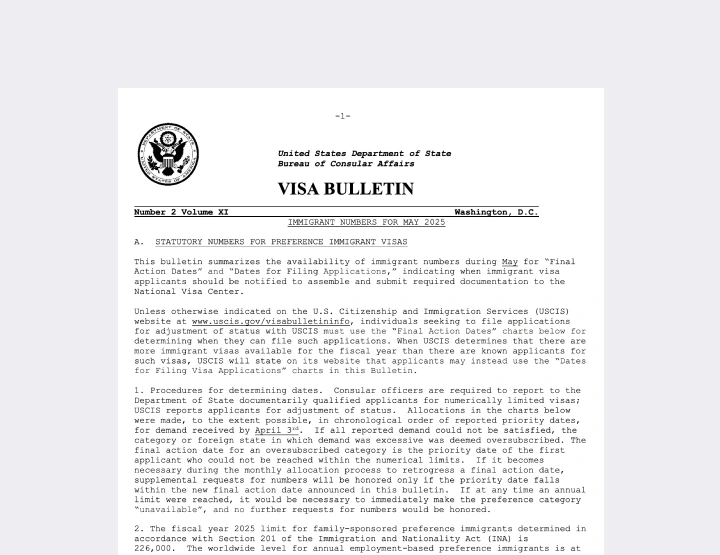
For family preference categories, you may need to monitor the Visa Bulletin, published monthly by the U.S. Department of State. This bulletin shows the availability of visas and can help you estimate how long the wait might be.
Interview
Attend visa interview at U.S. Embassy or Consulate
Visa Issuance
Receive immigrant visa and enter the United States